Introduction: Why bathroom tile matters
Bathroom tile is more than a surface finish. It defines durability, ease of cleaning, and the overall look of your space. A well chosen tile system resists moisture, avoids staining, and keeps your bathroom stylish for years. This guide covers materials, design strategies, installation, and maintenance to help you achieve a bathroom that looks great and performs reliably.
Popular tile materials for bathrooms
Ceramic tiles
Ceramic tiles are affordable, versatile, and widely available in many colors and patterns. Glazed ceramic is easy to clean and works well on walls, backsplash, and light traffic floors. When choosing ceramic for floors, select a high grade with a textured or slip resistant surface to reduce risk in wet areas.
Porcelain tiles
Porcelain tiles are a denser, more water resistant option than typical ceramic. They perform well on floors and in showers, including wet zones, and they come in large formats that reduce grout lines. While often pricier than basic ceramic, porcelain offers durability and long life with proper maintenance.
Natural stone tiles
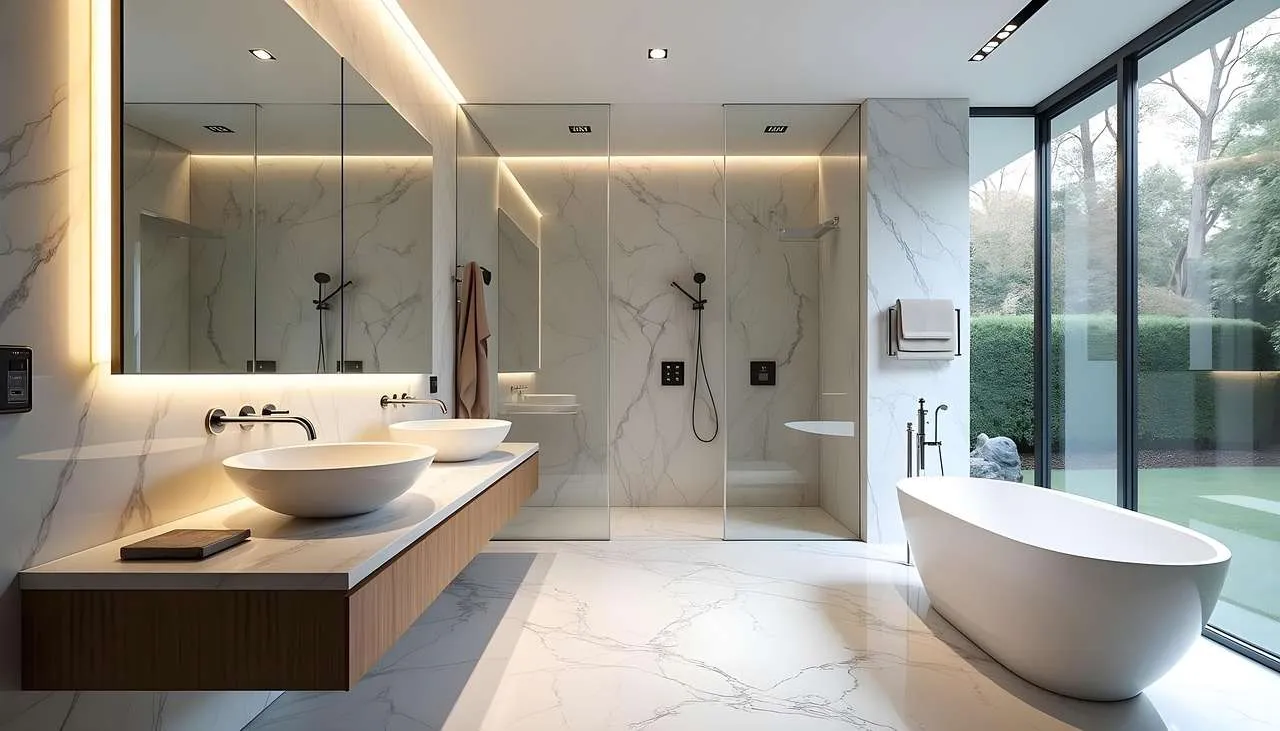
Natural stone such as marble, travertine, or slate delivers a luxury look with unique veining. Stone requires regular sealing and more ongoing maintenance to protect against moisture and staining. It can be a superb choice in dry zones or low humidity areas, but in showers many homeowners pair stone with resin or cement backer boards and high quality grout sealers.
Glass tiles
Glass tiles add sparkle and reflect light to brighten a bathroom. They are popular as backsplashes or accent walls and pair well with neutral palettes. Glass is less forgiving on floors and can show smudges, so it is best used for walls or feature areas rather than heavy foot traffic zones.
Cement and large format tiles
Cement and large format tiles offer a contemporary aesthetic with fewer grout lines. They can be bold or understated, but cement surfaces often require sealing to resist stains. Large formats reduce the number of grout joints, which helps the bathroom feel more seamless and easier to clean.
Design considerations: layout, color, and texture
Size and layout
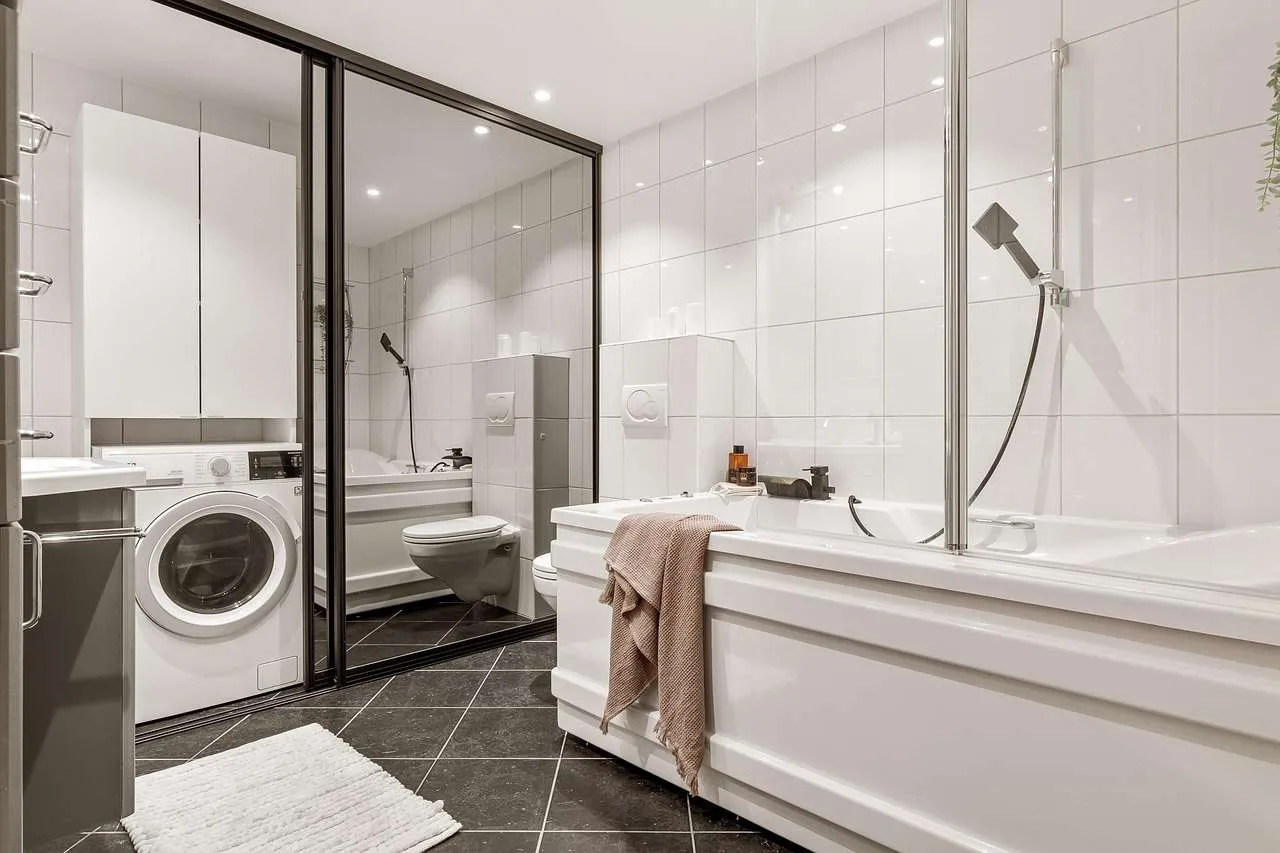
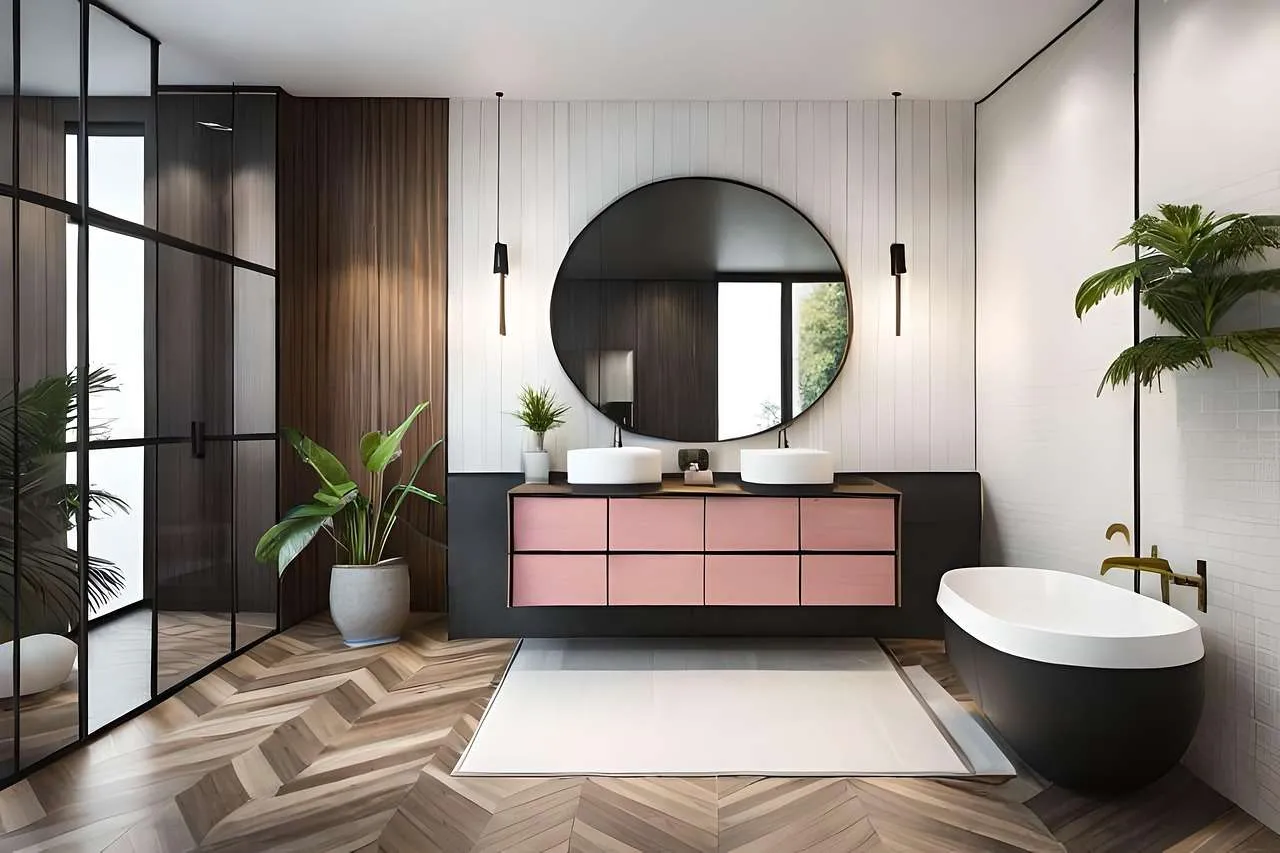
Tile size influences the perception of space. Large format tiles create a sleek, modern look and minimize grout lines, which can simplify maintenance. Smaller tiles provide more design flexibility with patterns such as herringbone or basket weave and can improve slip resistance on floors with textured surfaces.
Color and grout
Grout color can dramatically change the finished look. Matching grout hides the joints for a clean, cohesive surface, while contrasting grout can highlight a pattern or tile shape. For wet areas, choose grout that is stain resistant and sealed to guard against water intrusion and mildew.
Texture and slip resistance
In showers and baths, prioritize slip resistance. Textured ceramic or porcelain surfaces, polished stone with a honed finish, and properly rated grout can improve safety while maintaining style. Always verify slip resistance ratings for floors in accordance with local building codes.
Installation and maintenance essentials
Professional installation is highly recommended for showers and wet zones to ensure proper waterproofing and long-term performance. Key steps include a reliable waterproof membrane, quality backer board, proper slope for drainage, and meticulous grout sealing. After installation, routine cleaning with non-abrasive, pH-balanced cleaners preserves color and finish.
Maintenance tips include wiping down surfaces after use, addressing mold growth promptly, and resealing natural stone or cement grout as recommended by the manufacturer. Avoid acidic cleaners that can etch stone or glaze, and use a soft cloth or microfiber for best results.
Cost and budgeting: what to expect
Tile costs vary by material, size, and labor. Typical ranges are: ceramic from a low to mid price point, porcelain as mid to high, natural stone higher due to sealing needs, and glass at the premium end. Remember that installation, grout, waterproofing, and substrate preparation significantly impact total project cost. Planning a budget with a contingency helps accommodate required waterproofing and potential substrate repairs.
Buying guide: how to choose the right bathroom tile
To select the right tile, consider the following questions:
- Where will the tile be installed and what is the moisture exposure?
- What level of maintenance are you willing to perform?
- What is your budget and preferred aesthetic?
- What is the tile’s slip resistance, durability, and stain resistance?
- Do you need professional installation and waterproofing guarantees?
Comparison of common bathroom tile types
| Type | Durability | Maintenance | Slip resistance | Cost | Best uses |
|---|---|---|---|---|---|
| Ceramic | Moderate | Easy | Depends on glaze | Low to mid | Walls, light traffic floors, backsplashes |
| Porcelain | High | Easy | Good, especially in matte finishes | Mid to high | Floors, showers, wet zones |
| Natural Stone | Variable | High with sealing | Can be slick when wet | High | Accent walls, showers with care, luxury floors |
| Glass | Moderate | Moderate | Low to moderate depending on surface | High | Backsplashes, accent walls, brightening spaces |
| Cement / Large format | High | Moderate | Depends on finish | Mid to high | Contemporary bathrooms, seamless look |
Conclusion: With the right material choice, layout, and care, bathroom tile can deliver lasting beauty and practical performance. Always balance aesthetics with the realities of moisture, foot traffic, and cleaning routines. When in doubt, consult a licensed installer or designer to ensure waterproofing standards and warranty protection are in place.
Conclusion
Summary: A thoughtful approach to bathroom tile blends material strengths, design goals, and maintenance planning. Ceramic and porcelain offer reliable, cost effective options for most showers and floors, while natural stone and glass provide luxury accents with higher upkeep. Large format tiles reduce grout, improve cleaning ease, and create a modern look, whereas smaller mosaics offer texture and grip. Prioritize slip resistance for wet zones, seal natural stone and cement as required, and choose reputable brands and professional installation to uphold EEAT standards. By aligning material choice with space, light, and lifestyle, you will enjoy a durable, beautiful bathroom tile installation for years to come.