Choosing bathroom tiles is more than picking a pretty pattern—it's a decision that affects longevity, maintenance, and daily comfort. As a seasoned professional in bathroom design and tile installation, I aim to demystify materials, finishes, and layouts, so you can invest confidently in a space that lasts. Whether you’re renovating a compact powder room or designing a spa-like master bath, the right tiles set the tone and performance for years to come.
Why bathroom tiles matter
Bathroom environments are humid and high-traffic spaces. Tiles protect walls and floors from moisture, mold, and wear while offering a wide range of aesthetics—color, texture, pattern, and size. Quality installation, proper substrate prep, and appropriate sealing are essential to ensure durability and a clean, professional look that ages well. With the right selection, you can achieve a space that is not only beautiful but also easy to maintain and water-resistant, enhancing both comfort and property value.
Popular tile materials
Ceramic tiles
Ceramic tiles are one of the most cost-effective options for walls and backsplashes. They are easy to cut, come in endless colors and patterns, and are glazed for moisture resistance. While ceramic is suitable for walls and low-traffic areas, it is less dense than porcelain and may be prone to chipping in high-use floors unless paired with a durable glaze and proper installation.
Porcelain tiles
Porcelain tiles are a denser, low-absorption option that performs well on floors and in wet areas. Their tight manufacturing process makes them highly resistant to water and wear, which is ideal for bathrooms with heavy use, steam showers, or radiant floor heating. Porcelain comes in glazed or through-body varieties, offering excellent longevity and design versatility.
Natural stone tiles
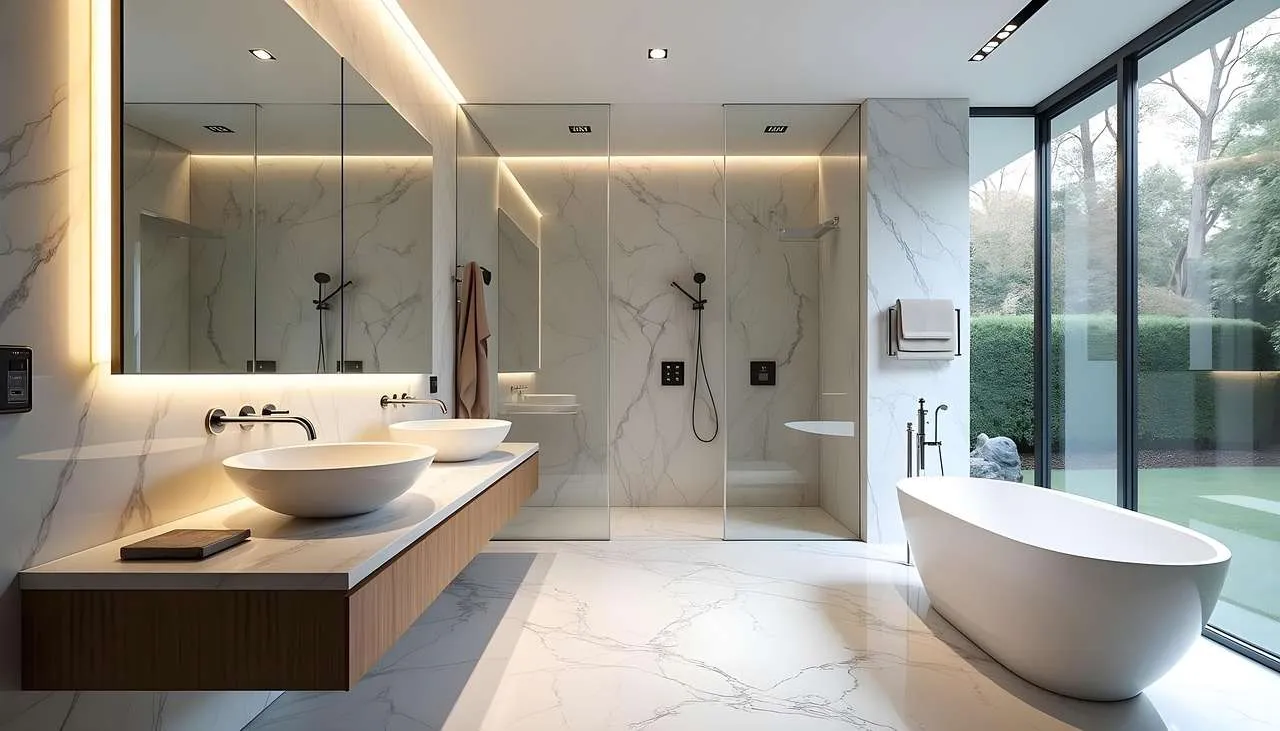
Natural stone such as marble, travertine, or slate delivers unique character and luxury. Stone requires proper sealing and periodic maintenance to protect against staining and moisture. Some stones are more porous and may need ongoing care, making them better suited for showers, countertops, or accent walls rather than full wet-room floors in busy households.
Glass tiles
Glass tiles add light refraction and a contemporary feel. They’re most effective as accents, mosaics, or backsplashes. Glass can be slippery when wet if used on floors, and the grout lines require regular cleaning to prevent haze. They pair well with neutral tile bases to create a bright, modern bathroom.
Cement and cement-look tiles
Cement tiles offer bold, graphic patterns and strong personality. They can achieve dramatic, artisanal looks but may require sealing to prevent staining. Cement-look porcelain or ceramic tiles mimic the style with lower maintenance while preserving durability and water resistance.
Design and layout ideas
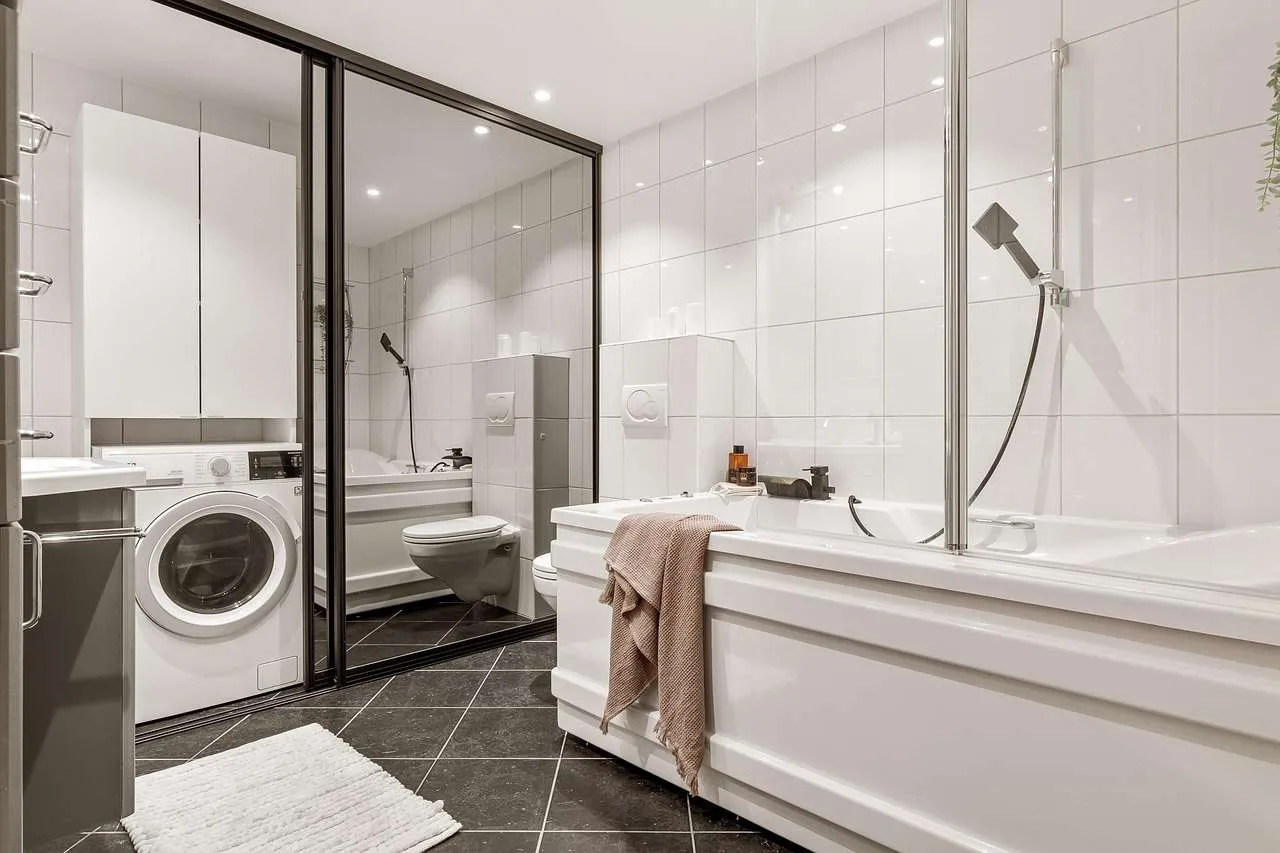
Tile size, color, and layout influence perceived space and flow. Large-format tiles can make small bathrooms feel bigger by reducing grout lines, while smaller mosaics create texture and grip in shower niches and floors. Consider these design approaches:
- Monochrome palettes with a contrasting grout can create a clean, timeless bathroom.
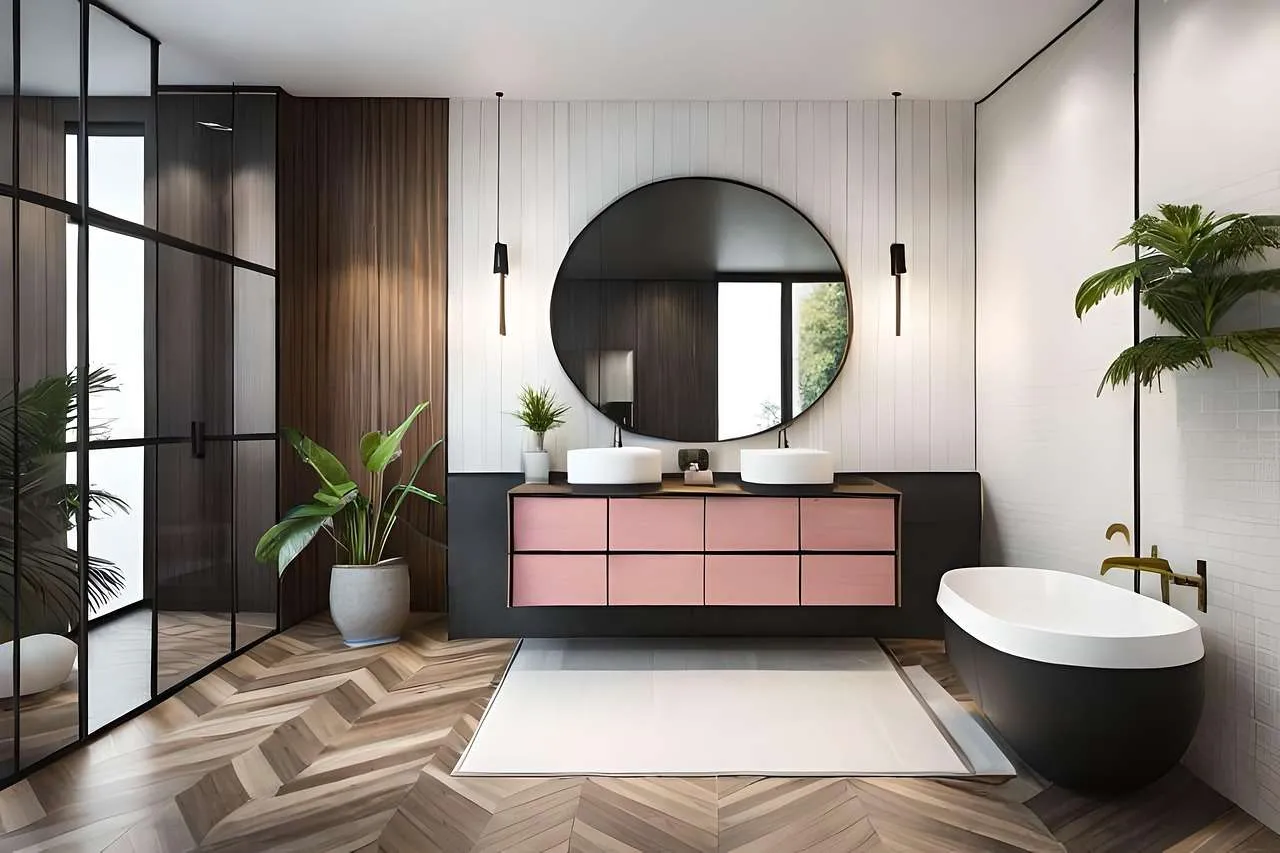
- Herringbone or diagonal layouts add visual interest without overwhelming the space.
- Mixing tile shapes (rectangles on walls, hexagons on floors) introduces depth and character.
- Accent walls or a bold shower niche can be a focal point without dominating the room.
- In showers, pair non-slip textures with lighter surrounding tiles to balance safety and brightness.
Installation considerations
Preparation and waterproofing
A successful bathroom tile project starts with a solid substrate—concrete, backer board, or a suitable waterproofing membrane. In wet zones, a moisture barrier or waterproof membrane beneath the tile minimizes water intrusion, protects the wall and floor assemblies, and reduces the risk of mold growth. Professional installation ensures proper bonding, even substrate, and long-lasting adhesion.
Grout and sealants
grout choice affects durability and maintenance. Epoxy grout offers stain resistance and low porosity, ideal for showers, while cementitious grout is common and easier to repair but requires sealing and occasional resealing. Matching or contrasting grout colors can subtly change the room’s look and emphasize tile shapes.
Slip resistance and safety
Floor tiles in wet areas should have appropriate slip resistance (look for an R11 or higher rating). Textured finishes or matte surfaces reduce slip risk. Avoid polished porcelain or ceramic on shower floors unless specifically rated for slip resistance or used with a non-slip mat or insert.
Maintenance and care
Maintenance needs vary by material. Ceramic and porcelain are typically easy to care for with routine cleaning using pH-neutral cleaners. Natural stone requires periodic sealing to guard against staining and moisture penetration. Glass tiles are low-maintenance but can show water spots if not wiped. Regular cleaning, prompt grout care, and resealing stone or cement-based tiles as recommended by manufacturers will preserve color and texture for years.
Cost, durability, and choosing tips
Budgeting for bathroom tiles involves material cost, installation, and substrate work. Porcelain often offers the best mix of durability and value for floors, while ceramic provides affordable wall options. Natural stone adds luxury but can incur higher maintenance. Consider the room’s humidity, foot traffic, and cleaning routine when selecting materials. To optimize EEAT: rely on reputable brands, professional installers, and proven waterproofing solutions; request samples, see installation references, and consult with a qualified tile contractor for precise measurements and guarantees.
Tile material at a glance
| Material | Water Absorption | Durability | Best For | Cost (typical) |
|---|---|---|---|---|
| Ceramic | Low | Moderate | Walls, backsplashes | Low |
| Porcelain | Very low | High | Floors & walls | Medium |
| Natural Stone | Moderate to high (depends on stone) | High when sealed | Showers, accents | High |
| Glass | Low | Moderate | Backsplashes, accents | Medium-High |
| Cement | Low | Variable | Bold patterns | Medium |
Summary: In selecting bathroom tiles, balance aesthetics with moisture resistance, maintenance requirements, and your budget. Ceramic and porcelain offer dependable durability and value; natural stone brings luxury with higher care needs; glass and cement options provide distinctive style. Pair the right tile with proper waterproofing, texture, and professional installation to achieve a beautiful, lasting bathroom.
Conclusion, a well-planned tile strategy enhances both the look and function of your bathroom. By choosing appropriate materials, layouts, and finishes, and by investing in quality waterproofing and skilled installation, you create a space that remains resistant to humidity, easy to clean, and timelessly stylish for years to come.